How to Keep Your Kid's Bedtime Routine Together While Traveling
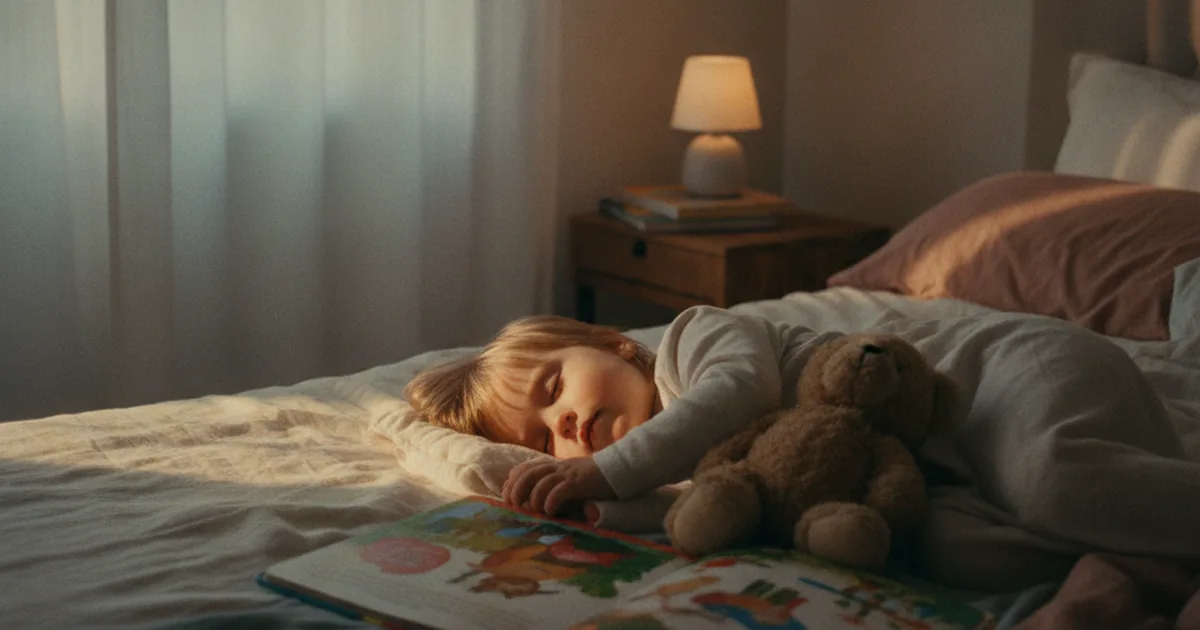
Short version: Kids sleep better away from home when the routine stays the same even if the room doesn't. Pack a small "sleep kit" (white noise, nightlight, lovey, book), keep the same bedtime sequence every night of the trip, and expect a rough night or two — that's normal, not a sign you're doing it wrong.
The hotel room is unfamiliar. The mattress feels different. There's street noise instead of the usual hum of the hallway nightlight. It's no wonder bedtime on a trip can turn into an hour-long negotiation, even for kids who normally go down without a fuss.
The good news: research on infant and toddler sleep consistently points to predictability, not the physical environment, as the biggest driver of how easily a child settles. You can't bring the whole bedroom on a plane, but you can bring the routine — and that's the part that actually does the work.
Why travel disrupts kids' sleep in the first place
A few things stack up at once on a trip: a new sleep surface, unfamiliar sounds and light levels, disrupted nap schedules, excitement or overtiredness from a big day of travel, and sometimes a shifted time zone on top of it all. Any one of these alone is manageable. Together, they can make even a great sleeper resist bedtime.
The American Academy of Pediatrics notes that keeping familiar routines in place is one of the most effective ways to help children feel secure in new environments — bedtime is exactly where that principle pays off most.
Build a "portable" version of your routine before you leave
A few days before the trip, write down your child's actual bedtime sequence step by step — not the idealized version, the real one. Bath or wipe-down, pajamas, brushing teeth, one or two books, a specific song or phrase, lights out. That list is your blueprint for every night away, whether you're in a hotel, a relative's guest room, or a tent.
Keep the sequence in the same order and, as much as possible, at the same time each night. The steps matter more than the setting — they're the signal that tells your child's brain "sleep is next," regardless of what the room looks like.
What to pack for consistent sleep cues
- White noise: a small portable machine or a phone app playing through a speaker recreates the sound environment your child associates with sleep. White noise does more than mask sound — it's a genuine sleep cue.
- A dim, familiar nightlight: the same one from home if it's small enough, so the light color and brightness match what your child expects.
- Their lovey or sleep sack: the single most powerful "smells and feels like home" object you can pack.
- 1-2 favorite books: novelty is fun during the day, but bedtime reading works best when it's predictable, not new.
- Blackout help: a portable blackout blind, or painter's tape and a hotel towel over the curtain gap, can make a huge difference in a room with streetlights or early sunrise.
Sleepy Spell's screen-dark audio stories travel well for exactly this reason — no glowing screen in an unfamiliar room, just a calm, familiar voice your child already associates with winding down at home.
Handling jet lag and time zone changes
For short trips (a long weekend, a few days), it's often easier on everyone to keep your child on home-time sleep and meal schedules rather than force a full adjustment they'll just have to reverse a few days later.
For longer stays, start shifting bedtime by 15-30 minutes a day in the direction of the new time zone before you leave, and lean on daylight once you arrive — morning light exposure at the destination is one of the fastest ways to reset a child's body clock, according to Sleep Foundation guidance on jet lag. Expect the adjustment to take a few days either way, and build a buffer day into the itinerary if you can.
This is general guidance, not medical advice — check with your pediatrician before travel for infants, kids with chronic conditions, or trips involving more than a few time zones.
Sharing a room with your child on the road
Hotel rooms and guest rooms often mean everyone sleeps in the same space, which raises its own challenges — similar to the ones parents face with siblings sharing a bedroom at home. Do the full wind-down routine together, then create a visual and sound boundary once your child is down: a nightlight only on their side of the room, white noise to mask adult conversation, and a plan to do any remaining "grown-up time" quietly in the bathroom or hallway with a phone light rather than the overhead light.
If your child tends to feel anxious in new places, the extra reassurance of a parent nearby usually helps more than it hurts on a trip — this isn't the time to enforce independent sleep training. A little extra closeness at bedtime is a reasonable trade for a few nights.
When the routine still falls apart
Some nights it just won't go smoothly, and that's normal — not a sign you've done anything wrong or that you've undone months of good sleep habits. Overtiredness from a travel day, an unfamiliar noise, or plain excitement can produce a rough night even with a perfect routine. Stay calm, keep your response brief and consistent, and remember that most children settle back into their usual rhythm within a few nights of being home again.
Bringing it home: the routine is portable even when the room isn't. Pack the sleep kit, keep the sequence the same, and give yourself grace on the rough nights. If you want one more consistent piece of the routine wherever you are, try Sleepy Spell for calm, screen-dark audio stories that sound the same whether you're in your child's own room or three time zones away.
Frequently asked questions
Should I keep my child's bedtime routine while traveling?
Yes. Keeping the same sequence of steps — bath, book, song, lights out — even in a new place gives your child's brain the cues it needs to recognize that sleep is coming, which usually matters more for settling than the room itself.
What should I pack to help my toddler sleep away from home?
A small white noise machine or app, your child's usual sleep sack or lovey, a portable nightlight, their favorite book, and blackout options like a travel blackout blind or even taped-up towels over hotel curtains.
How do I handle jet lag with a young child?
For trips of a few days, it's often easier to keep your child on home-time sleep and meal schedules rather than force a full adjustment. For longer stays, shift bedtime by 15-30 minutes a day before you leave and get outside in daylight at the new destination to help their body clock adjust faster.
My child shares a hotel room with us — how do we manage bedtime?
Do the wind-down routine together, then create a visual and sound boundary once your child is in bed — a nightlight only on their side, headphones or a hallway spot for adult activity, and white noise to mask parent conversation until you're ready to sleep too.
What if my child still won't settle in a new place?
Expect a rockier night or two — that's normal, not a sign anything is wrong. Stay consistent with the routine, keep your response calm and brief, and know that most children settle back into their usual pattern within a few nights of returning home.
Are screens a good way to help kids fall asleep in unfamiliar places?
It's best to avoid screens right before sleep even while traveling, since bright light and stimulating content can make it harder to wind down. An audio story or calm music works as a portable substitute for the usual bedtime book without the screen.
Sources
American Academy of Pediatrics (HealthyChildren.org) — Traveling with Children.
Sleep Foundation — Jet Lag and Sleep.
ZERO TO THREE — The Power of Routines.
CDC Yellow Book — Jet Lag.