Melatonin for Kids: What It Does (and Doesn't) for Sleep
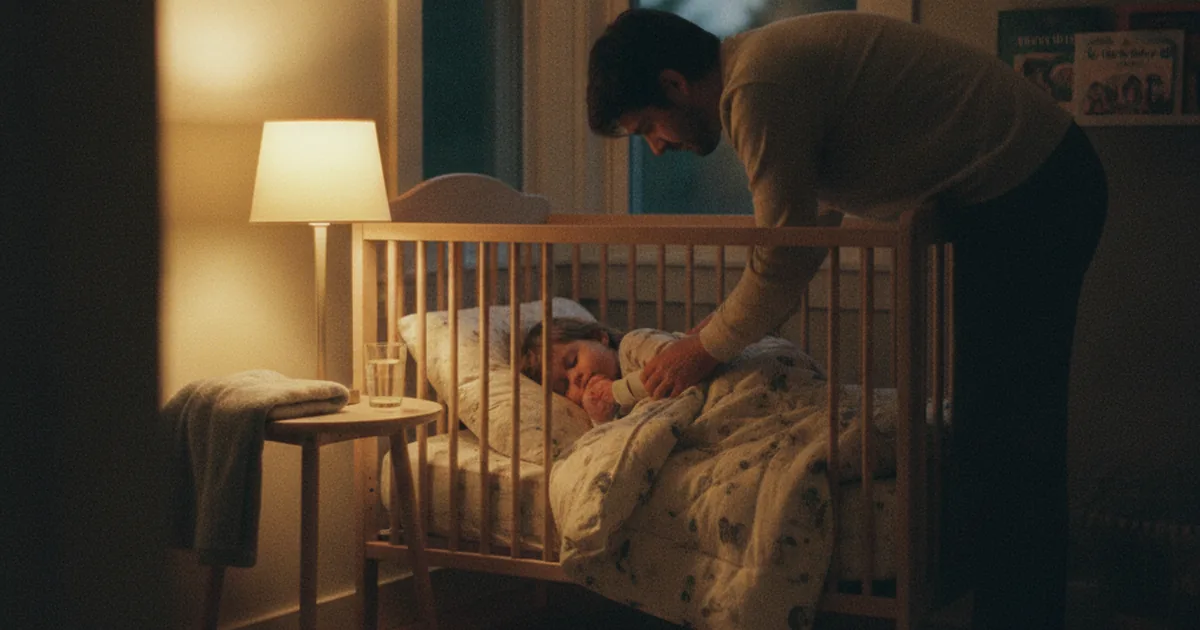
The short version: melatonin can help some kids fall asleep a bit faster in the short term, but it's a supplement, not a cure, and it works best (if at all) alongside consistent light exposure, meal timing, and a wind-down routine — the things that set a child's internal clock in the first place. Talk to your pediatrician before starting it, and never leave gummies within a young child's reach; accidental ingestion is now the most common melatonin-related harm in kids.
Why are so many parents giving their kids melatonin?
Melatonin gummies are everywhere — on pharmacy endcaps, in fruit-flavored bottles that look like vitamins, marketed as a "natural" fix for a hard bedtime. It's easy to see the appeal: your child is wired at 9 p.m., you're exhausted, and a gummy feels like a small, low-effort thing to try. Survey data reported by the Sleep Foundation suggests a large share of parents have given their child melatonin at some point, and pediatric use has climbed sharply over the past decade.
But "natural" and "over-the-counter" don't mean "well-studied for kids" or "harmless in any amount." Melatonin is sold in the U.S. as a dietary supplement, which means the FDA does not regulate it the way it regulates medications for sleep — and it has not approved melatonin for treating sleep problems in children at all.
Does melatonin actually help kids fall asleep faster?
For some children, yes, modestly. Melatonin is a hormone the brain releases naturally as darkness falls, and it's one of the internal signals that tells the body "it's time to wind down." Giving a small dose before bed can nudge that signal along, and it has real, studied uses for specific situations — jet lag, certain neurodevelopmental conditions, or delayed sleep-phase issues under a doctor's supervision.
What it isn't is a sedative that forces sleep, and it isn't a fix for the underlying reason a child is fighting bedtime in the first place — overtiredness, an inconsistent routine, too much evening light, or anxiety. Give it to a child whose real problem is a 8:45 p.m. tablet session, and you're treating the wrong thing.
Is melatonin safe for children?
This is where the evidence gets more cautious, not less. Because melatonin supplements aren't tightly regulated, independent testing has repeatedly found that the actual melatonin content in gummies can differ substantially from what's printed on the label — sometimes far more, sometimes far less. There's also limited long-term data on what nightly melatonin use during childhood does to a still-developing hormonal system, including puberty timing.
The more immediate, well-documented risk is accidental ingestion. A CDC report on emergency department visits for unsupervised pediatric melatonin ingestion found the numbers climbed sharply between 2019 and 2022, largely from young children getting into bottles that look and taste like candy. The practical takeaway: if you use melatonin at all, treat it like medication — measured dose, doctor's guidance, stored well out of reach — not like a vitamin left on the counter.
This article is for general information and isn't a substitute for medical advice. Talk to your child's pediatrician before starting any sleep supplement, especially if your child takes other medication or has an underlying health condition.
Why light and food matter more than a supplement
Here's the part that gets lost in the marketing: your child's body already makes melatonin on its own, on a schedule set almost entirely by light and daily rhythm. A supplement, at best, mimics or nudges a system that habits can build correctly without it.
Morning and daytime light
Bright light soon after waking, ideally outdoors, is one of the strongest signals for anchoring the body clock. Kids who get a dim, dark morning (grey rooms, drawn curtains, indoor time only) tend to have a later, blurrier internal clock, which pushes bedtime later too.
Evening light, especially screens
In the hour or two before bed, bright and blue-toned light does the opposite job: it suppresses the natural rise in melatonin and tells the brain it's still daytime. Dimming the house, switching to warm lamplight, and swapping a glowing screen for something screen-dark and audio-only in the last half hour can do quietly what a supplement is trying to do chemically.
Meal timing
Large meals, sugary desserts, or caffeine (yes, including chocolate) close to bedtime can delay the same hormonal shift. A predictable dinner time, finished with enough buffer before the wind-down routine starts, supports the body's own clock instead of fighting it.
When melatonin might make sense
There are real situations where a pediatrician may reasonably recommend it — certain neurodevelopmental conditions, significant jet lag, or a sleep-phase problem that hasn't responded to weeks of consistent routine changes. In those cases, it's typically used at the lowest effective dose (sleep specialists often cite ranges as small as 0.5-1 mg, well below what many commercial gummies contain) for a defined period, alongside behavioral changes, not instead of them.
If you're considering it, that conversation belongs with your child's doctor, not a gummy bottle's suggested serving size.
A light-smart, screen-dark routine to try first
Before reaching for a supplement, most families have more room to move than they realize on the light and routine side:
- Get outside or near a bright window within an hour of waking, every day, weekends included.
- Start dimming the house 60-90 minutes before bedtime — lamps instead of overhead lights.
- End screens at least 30-60 minutes before lights-out; swap the last screen slot for something calm and audio-only.
- Keep dinner and bedtime on a consistent daily schedule, even on weekends.
- Build a short, repeatable wind-down: bath or wash-up, teeth, a quiet story, lights out.
That last step is where Sleepy Spell fits naturally: it's a screen-dark app that plays calm, original bedtime stories through audio only, so the last few minutes before sleep aren't lit by a glowing screen. It's not a substitute for medical advice, but it's an easy way to protect the wind-down window that melatonin is, at best, trying to imitate.
For more on the screen side specifically, see our post on the science of blue light before bed, and if worry rather than light is what's keeping your child up, helping an anxious child fall asleep covers that ground.
Bottom line: melatonin isn't dangerous when used sensibly and briefly under a doctor's guidance, but it's not the first tool to reach for either. Fix the light, the timing, and the routine first — that's what actually resets a child's own sleep hormone, night after night, with no bottle required.
Frequently asked questions
Is melatonin safe for kids to take every night?
Occasional, low-dose, short-term use under a pediatrician's guidance is generally considered low-risk for most healthy children. But melatonin isn't FDA-regulated as a drug, so bottle doses can be wildly inaccurate, and there is limited long-term safety data on nightly use in kids. The American Academy of Pediatrics recommends treating it as a short-term tool alongside behavioral changes, not a nightly habit, and checking with your child's doctor first.
What dose of melatonin is appropriate for a child?
There's no single approved pediatric dose. Sleep specialists generally note that many children respond to very small amounts, often 0.5 to 1 mg given 30-90 minutes before bedtime, and that most kids don't need more than a few milligrams. Because supplement labels are not tightly regulated, actual content can differ from what's printed. Always start at the lowest possible dose and only under a pediatrician's guidance.
Why has melatonin use in kids increased so much?
Melatonin gummies are widely available, marketed as natural, and easy to give at bedtime, so many parents reach for them when a child resists sleep. Survey data cited by the Sleep Foundation suggests a large share of parents have given their child melatonin at some point. That popularity is also why pediatric ingestion and poison-control reports have climbed — not because the supplement itself is highly toxic at normal doses, but because bottles are often left within reach of young children.
What actually causes a child's body to make its own melatonin?
The body's internal clock releases melatonin naturally once it gets dark, cueing sleepiness. Bright light in the evening, especially blue-toned screen light, suppresses that release and delays it. Consistent bright light in the morning, plus dim, warm light in the hour before bed, helps a child's own melatonin rise on schedule without a supplement.
Does what or when a child eats affect their sleep hormones?
Meal timing and content help set the body clock that governs melatonin release. Large meals, sugary snacks, or caffeine (including in chocolate) close to bedtime can delay the natural rise in melatonin and disrupt sleep. A predictable dinner time and a light, calm pre-bed routine support the same hormonal shift a supplement is meant to mimic.
When should we talk to a doctor about melatonin for our child?
Talk to your pediatrician before starting melatonin, especially if your child has a neurodevelopmental condition, takes other medication, or has been struggling with sleep for more than a few weeks. A doctor can rule out other causes, confirm an appropriate dose, and help you pair it with the behavioral changes that make it more likely to work.
Sources
American Academy of Pediatrics (HealthyChildren.org) — Melatonin for Kids: What Parents Should Know About This Sleep Aid.
Sleep Foundation — Melatonin for Kids: An Overview.
American Academy of Sleep Medicine — Health Advisory: Melatonin Use in Children and Adolescents.
Centers for Disease Control and Prevention (MMWR) — Emergency Department Visits for Unsupervised Pediatric Melatonin Ingestion — United States, 2019–2022.